
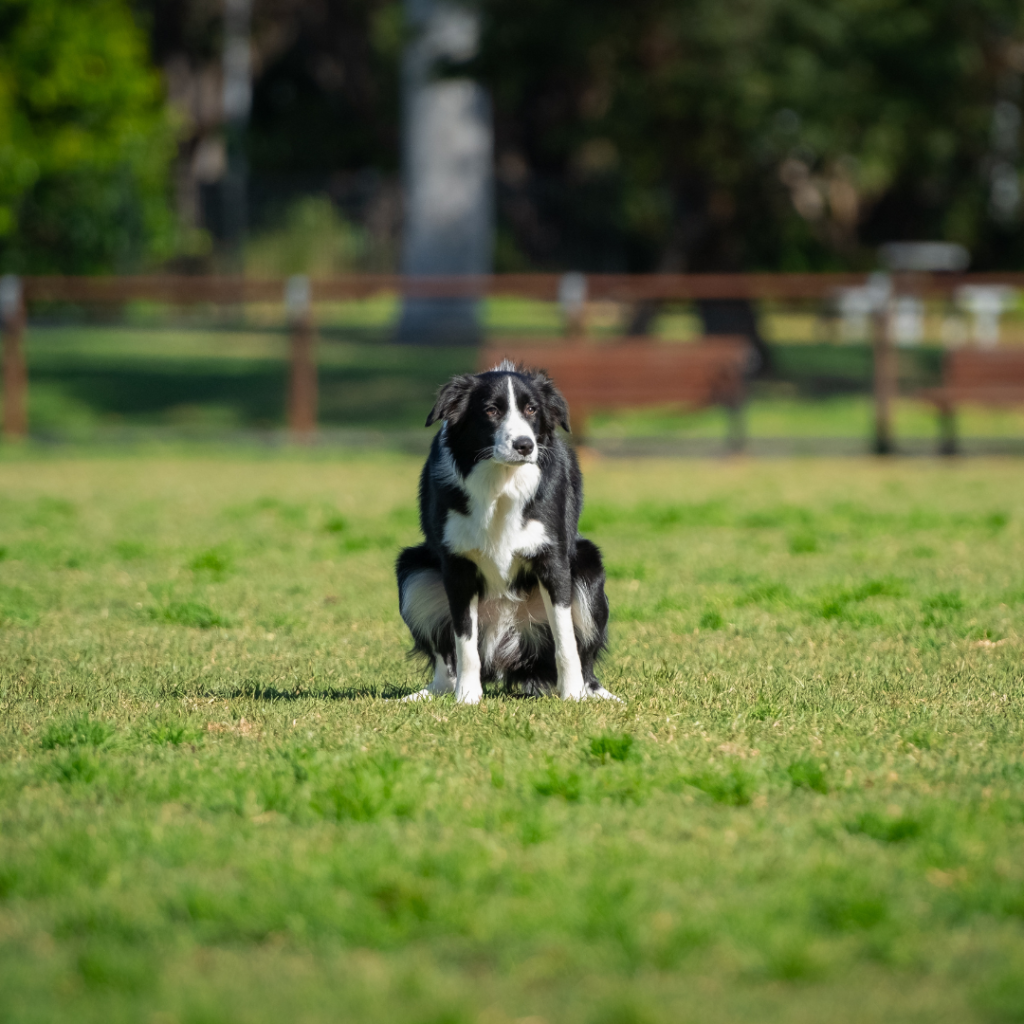
Diarrhoea in dogs and cats is a nightmare for every pet owner who experiences it – you wake up one morning to find stinky effluent dribbled and splattered across the floor. And often, just as it is being cleaned up, your pet has a repeat episode!
A pet having diarrhoea is an unpleasant experience for pet and owner alike. It can cause severe illness in dogs and cats of all ages, but does more severely affect very young puppies and kittens, and older animals. Very young as well as senior pets with diarrhoea are at risk of dehydration because they have fewer fluid reserves and slower fluid intake. Their immature or weakened immunity, respectively, also offers less resistance to the bacteria and viruses causing the diarrhoea. However, in pets of any age, it’s important to address the problem promptly to help mitigate the consequences of this silent and smelly killer. 
What does it look like?
Diarrhoea is an obviously watery, foul-smelling stool. However, any stool that is softer than normal should alert you to monitor your pet closely. Other signs of an intestinal problem that you may notice at home include:
- blood and/or mucous in the stool (sometimes seen as ‘strawberry jam’ diarrhoea)
- vomiting
- refusing to eat
- drinking less or not at all
- general weakness and lethargy
An imbalance in normal gut function
Diarrhoea happens when the normal functioning of gut flora is disrupted. Normal flora is the population of good bacteria that live in the gut and allow it to function optimally. Much like the workers in a factory processing and packaging raw materials into products, these bacteria keep the intestines in good working order and help to properly digest food and absorb nutrients. This population usually comprises a mixture of different types of bacteria.
Problems can occur when this normal flora becomes unbalanced: if some workers go on strike while others invite their friends over for a party, the factory will no longer be able to manage resources efficiently. This is called gut dysbiosis, and can lead to some products slipping through the digestive system unprocessed – in this case, large quantities of water and nutrients. This results in diarrhoea.
What causes diarrhoea in pets?
Diarrhoea and the associated gut dysbiosis can have many causes, which can be broadly grouped into dietary (dietary indiscretion, toxic, allergic), parasitic, infectious, and stress-related causes.
Dietary causes
A dog can get diarrhoea when they eat something they are not supposed to, such as a dead bird in the garden or samples from the rubbish bin. This is termed garbage disease. The foreign material directly impacts the normal flora, causing some to die off and some to overgrow. The changes in bacteria can lead to toxins being released into the intestines and further worsening the suboptimal digestion and absorption of food.
Dietary allergies and intolerances can also lead to diarrhoea. These can be triggered by many different things, but are most often linked to the proteins in the food. The protein sources that most commonly cause gut reactions in sensitive dogs and cats are chicken and beef. Other less-common allergens include milk (lactose intolerance) and grains.
Your dog or cat can also get diarrhoea when they directly ingest a toxin (poisonous substance). This does not happen commonly, but can be a concern if your pet happens to eat foreign material in a public space because you won’t always know what they’ve eaten. In these instances, the diarrhoea is often accompanied by other signs specific to the ingested toxin. If you return from a walk or being out in public and your dog has diarrhoea, is vomiting, trembling, lethargic, uncoordinated or has discoloured gums, get them to the vet immediately!
Parasitic causes
Parasites in the intestines – including worms and microscopic parasites such as coccidia and giardia parasites – can also cause diarrhoea. This is a likely cause if your dog or cat has not been dewormed within the last three months, or if they have an uncertain deworming history. A common misconception is that pets need to be in direct contact with other infected animals to contract these parasites. However, intestinal parasites can often be found lurking in the environment around the dog (e.g. the park, the roadside verge, or your own garden if another pet has been infected recently) and picked up from there. Giardia parasites can be especially difficult to manage as they remain in the environment for some time, even after your pet’s health has improved.
Infectious causes
Infectious causes of diarrhoea include several viral and bacterial diseases. In puppies, a significant and deadly cause of diarrhoea is parvovirus, which results in profuse watery and often bloody diarrhoea with vomiting. In the case of parvovirus, prevention is paramount – vaccination from six weeks of age is protective against this virus. In cats, infectious causes of diarrhoea are less common, but can still be a concern, especially in unvaccinated cats and kittens. If it has been more than a year since your pet’s last vaccination, it is advisable to check and update your pet’s vaccines at the vet.
Stress-related causes
Another important cause of diarrhoea, especially in small dogs, is stress. Any stressful event (e.g. fireworks, travel, thunderstorms, chronic anxiety) can lead to changes in the gut, which may result in the rapid onset of diarrhoea (often bloody). Blood in the diarrhoea is the result of inflammation in the digestive tract.
How is diarrhoea diagnosed?
The vet will run a series of tests to find out what is causing the diarrhoea. These include blood tests to check organ function and the severity of dehydration. The vet may also run tests on your pet’s faeces to check for gut parasites such as worms or giardia. A common stool test that is done is called a faecal flotation, which allows the vet to see if there are worm eggs in the stool. It is helpful to bring a stool sample along to your pet’s consultation if they have been having gut issues, just in case the vet is not able to get a fresh sample.
If all of these methods are not able to diagnose the problem, your pet may need to be admitted for further tests including abdominal ultrasound, x-rays, and infectious disease tests. The vet will want to narrow down the possible culprits to find the cause of your pet’s diarrhoea, in order to offer the most effective treatment and to restore your pet’s health.
What is the best treatment for diarrhoea in pets?
The biggest danger in cases of diarrhoea is dehydration. This means that treatment often centres around getting fluids into your pet, either by giving the fluids straight into the vein in hospital (intravenous), or, if your pet is only mildly affected, by giving oral fluid supplements at home.
Further treatment will depend on the specific cause of the diarrhoea, but often includes:
- probiotics to reintroduce good bacteria and restore the natural balance of bacteria in the gut (getting the workers in the factory back to their stations)
- a stool binder to help firm up the stool
- sometimes (not always) antibiotics to remove harmful bacteria and help with inflammation
- pain control
How can pet owners prevent diarrhoea in their pets?
Supporting the gut through the diet is an important part of treating and preventing gut issues. A balanced, vet-formulated pelleted food fed by itself (no extras such as chicken, tuna, human food, and supermarket wet food) is best to promote a healthy gut and keep your pet’s digestion running smoothly. Speak to your vet about the different dietary options available, and which one is most appropriate for your pet.
Deworming regularly (every three months) is important to manage intestinal parasites. Vaccination is also imperative to ensure that your pet is protected against infectious diseases that affect the gut.
How to manage your pet’s diarrhoea at home
If you notice your dog or cat having diarrhoea, it’s always advisable to get to the vet as quickly as possible, especially if your pet is either very young or advanced in age. However, if you are unable to get there immediately, or if the diarrhoea is not severe, you can manage it initially with some probiotic and prebiotic pastes. These are available over the counter through vets and vet shops, and will help to restore balance to your pet’s gut bacteria. Also ensure that your pet drinks plenty of water.
If the diarrhoea worsens or does not improve within 24 hours, it is essential that you take your pet to the vet for further testing and treatment.
© 2026 The Code Company